Things to Do in Amsterdam: 3-Day Guide & Budget
You have three days in Amsterdam and about 500 euros in your pocket—now what? With over 9 million international tourists arriving in 2024, the city can feel like a maze of canals, museums, and coffee shops—but this guide cuts through the noise with real costs, a workable itinerary, and pitfalls to skip so you can actually enjoy the trip.
Annual visitors: over 9 million (2024) ·
Canals total length: approximately 100 km ·
Average meal cost: €15–€25 ·
GVB 3-day ticket: €31.00
Quick snapshot
- Anne Frank House requires advance booking online (Worldpackers (budget travel guide))
- Rijksmuseum is open daily 9:00–17:00 (Bon Traveler (itinerary specialist))
- Canal cruises cost €15–€25 per person (Bon Traveler)
- Exact daily budget for 3 days varies by travel style (luxury vs budget) (Bon Traveler)
- Whether 500 euros is enough depends on accommodation category (Dream Big, Travel Far (budget travel site))
- Most first-timers spend day 1 on canal belt & Jordaan, day 2 on museums, day 3 on neighborhoods or a day trip (Bon Traveler)
- Book Anne Frank House and museum slots at least two weeks ahead (Worldpackers)
- Plan for walking and public transit; avoid renting a bike unless you’re confident (Big World Small Pockets (travel blog))
“Booking is non-negotiable—walk-up tickets don’t exist.” — Worldpackers
What should I not miss in Amsterdam?
Anne Frank House
- Over 1 million visitors annually (Bon Traveler)
- Tickets €10.50 and must be bought online weeks in advance (Worldpackers)
Few places in Amsterdam require as much planning, but the immersive experience through Anne Frank’s hiding place makes it worth the effort. Booking is non-negotiable—walk-up tickets don’t exist.
Rijksmuseum and Van Gogh Museum
- Rijksmuseum displays 8,000 objects from its 1 million‑piece collection, including Rembrandt’s Night Watch
- Van Gogh Museum houses 200 paintings and 500 drawings
These two museums sit on Museumplein, making it easy to visit both in one day. The first entry slot (9:00 or 10:00) helps dodge the crowds (YouTube travel vlogger).
Canal cruise
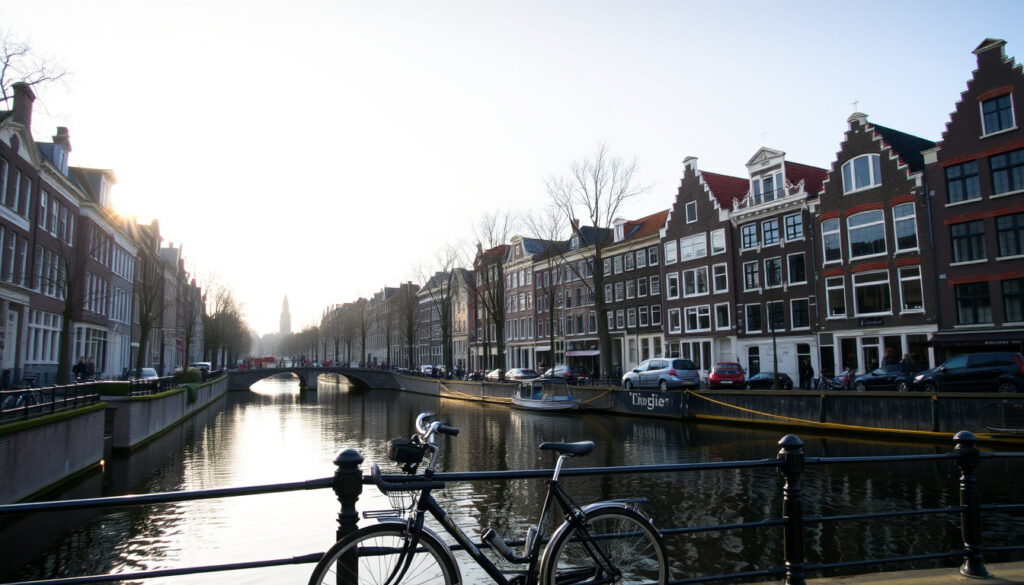
Glass‑topped boats glide past 17th‑century gabled houses and houseboats. Most tours last about an hour and cost €15–€25. It’s the fastest way to get oriented.
Vondelpark
Amsterdam’s biggest park is free and open daily. Many travelers use it as a low‑cost break between museum visits.
The Anne Frank House alone can eat up half a day if you include the walk through the Jordaan. Pair it with a relaxed canal cruise the same afternoon to balance intensity with calm.
“The first entry slot (9:00 or 10:00) helps dodge the crowds.” — YouTube travel vlogger
The implication: Planning around high‑demand attractions saves time and money, leaving room for spontaneous canal walks.
Is 3 days enough to visit Amsterdam?
Suggested 3‑day itinerary
Most first‑time visitors find that three days cover the major sights without feeling rushed. The city’s compact layout and good public transport make it easy to move between neighborhoods.
Day 1: City center and canals
- Morning: wander through Jordaan and along the canals (Wanderlustingk (travel blog))
- Afternoon: Anne Frank House (booked in advance)
- Evening: canal cruise
Day 2: Museums and culture
- Morning: Rijksmuseum or Van Gogh Museum
- Lunch: break at Vondelpark
- Afternoon: explore De Pijp and Albert Cuyp Market
Day 3: Neighborhoods and day trip options
- Option A: NDSM wharf via free ferry for street art and waterfront cafés
- Option B: day trip to Zaanse Schans (windmills) or Keukenhof (spring)
Public transit (GVB) covers all zones with a 3‑day pass for €31.00 (Worldpackers).
A day trip outside the city eats into your third day. If you only have three days, save Zaanse Schans for a future trip or swap it for a morning exploring Jordaan and the Nine Streets.
The pattern: Three days gives enough time to hit the core sights and one offbeat area, but every day trip costs a full day of city exploration.
Is 500 euros enough for 3 days in Amsterdam?
Accommodation costs
- Budget hostel: €50–€80 per night
- Budget hotel (3‑star): €120–€200 per night (Dream Big, Travel Far (budget travel site))
Food and drink budget
- Average main course at a mid‑range restaurant: €15–€25
- Street food (frites, stroopwafel): €3–€6
- Cheaper eats around Leidseplein and near Rembrandt Square
Attractions and transport
- Anne Frank House ticket: €10.50
- Rijksmuseum entry: €20
- GVB 3‑day unlimited: €31.00
- Canal cruise: €15–€25
Here is a breakdown of typical daily and 3‑day costs for a budget traveler.
| Category | Budget estimate (per day) | 3‑day total |
|---|---|---|
| Accommodation (hostel) | €50–€80 | €150–€240 |
| Food & drink | €30–€50 | €90–€150 |
| Attractions & transport | €15–€30 | €45–€90 |
| Total | €95–€160 | €285–€480 |
Five hundred euros covers a comfortable budget trip if you stay in a hostel or budget hotel and eat street food for some meals. Splurging on a 4‑star hotel pushes the total past €600.
That 500‑euro budget leaves almost no room for unexpected expenses (taxis, souvenirs, or a night out). If you want to include the Red Light District as an evening activity, expect to spend another €20–€40 on drinks and entry.
The pattern: The 500‑euro figure works for a strict budget but leaves zero margin for upgrades or extras, making it a tight fit for anyone who wants more than hostel beds and street food.
What are the top 3 things to do in Amsterdam?
Anne Frank House
Draws over 1 million visitors annually and requires booking weeks ahead.
Rijksmuseum
Home to 8,000 objects on display, including Rembrandt’s Night Watch. Open daily 9:00–17:00.
Canal tour
Offers views of 17th‑century gabled houses and lasts about an hour. The most popular way to see the city from the water.
The three attractions are the most‑cited by first‑time visitors. A typical schedule: Anne Frank House on day 1 afternoon, Rijksmuseum on day 2 morning, and a canal cruise on either day 1 evening or day 3.
What to avoid in Amsterdam?
Common tourist traps
- Overpriced “coffee shops” near Centraal Station – stick to reputable ones in the Jordaan or De Pijp (Dream Big, Travel Far)
- Buying drugs from street dealers – illegal and dangerous (Big World Small Pockets)
Safety and scams
- Pickpocketing is common in crowded areas like Dam Square and on trams (Big World Small Pockets)
- Avoid walking alone in quiet alleys after midnight
Behavior to avoid
- Do not cycle in bike lanes without a bike – pedestrians who step into bike paths risk fines or accidents
- Do not take photos in the Red Light District without permission – it’s disrespectful and can lead to confrontation
Upsides
- Free walking neighborhoods (Jordaan, De Pijp) give a genuine local feel
- Canal cruises offer a quick orientation for first‑timers
- Public transport makes the city very accessible
Downsides
- Popular attractions require advance booking, limiting spontaneity
- Budget below €100/day is tight even for a hostel
- Crowded streets can be overwhelming in peak season
What this means: Knowing the traps and respecting local norms makes the difference between a stressful trip and an enjoyable one.
If you’re planning a longer stay, the complete Amsterdam travel guide provides an excellent complement to this guide.
Frequently asked questions
What is the best time of year to visit Amsterdam?
April–May for spring flowers (Keukenhof is open) or September–October for moderate weather and fewer crowds. July–August is busiest and most expensive.
Do I need to book museum tickets in advance?
Yes, especially for Anne Frank House and the Van Gogh Museum. Walk‑up tickets are rarely available during peak hours.
Is Amsterdam safe for solo travelers?
Yes, but take standard precautions: watch your belongings in crowded spots, avoid quiet alleys at night, and use well‑lit pedestrian streets. Solo walking tours are available.
Can I use credit cards everywhere in Amsterdam?
Most places accept Visa and Mastercard, but some smaller markets and cafés prefer cash (Maestro or debit). Carry €50–€100 in cash for emergencies.
What is the Amsterdam City Card?
The I Amsterdam City Card offers free entry to many museums, a canal cruise, and unlimited public transport for 24–120 hours. Prices start at €65 for 24 hours. It can save money if you plan to visit 3+ paid attractions per day.
How do I get from Schiphol Airport to the city center?
The train takes 15–20 minutes and costs €5.50. A taxi is €45–€55. The GVB bus 397 (N97 at night) is cheaper but slower. The train is the quickest option for central stations.
Are there any free things to do in Amsterdam?
Yes: Vondelpark, Albert Cuyp Market, the Bloemenmarkt (floating flower market), the NDSM street‑art area via free ferry, and the Begijnhof courtyard. Walking the canals costs nothing.
What does the Reddit community recommend for things to do in Amsterdam?
Common Reddit advice: skip the Red Light District during the day, visit Foodhallen for varied food, rent a bike only if you’re comfortable, and book the Anne Frank House as early as possible r/Amsterdam.
Amsterdam rewards travelers who plan ahead but leave room for accidental discoveries. For a first‑time visitor with a 500‑euro budget, the smartest move is to book accommodation and one major attraction in advance, then spend the rest of your budget on free neighbourhood walks and a single canal cruise. Skip the overpriced souvenir shops and the De Wallen crowds, and the city will feel much bigger than its compact map suggests.
For more travel and lifestyle guides, check out our articles on The Venetian Las Vegas: Suites, Costs, Perks & Fees and New Years Eve Outfit Ideas 2026: 3-3-3 Rule & Lucky Colors.
More related posts
 Hotel Transylvania 4 Cast – Full Voice Actors and Changes
 Knicks vs Lakers Match Player Stats: Feb 1 & Mar 8, 2026
 76ers vs Lakers Match Player Stats – Box Score and Key Highlights
 National Guard Los Angeles: Deployment, Legality & Status (2025)
 Signs of Sleep Apnea: Symptoms, Diagnosis, and Treatment Options
 Two Men and a Truck Guide: Minimum Charge, Tipping & Red Flags
 Life Insurance for Seniors: Best Irish Options and Eligibility
 PlayStation 30th Anniversary Controller: Price, Review, Specs
