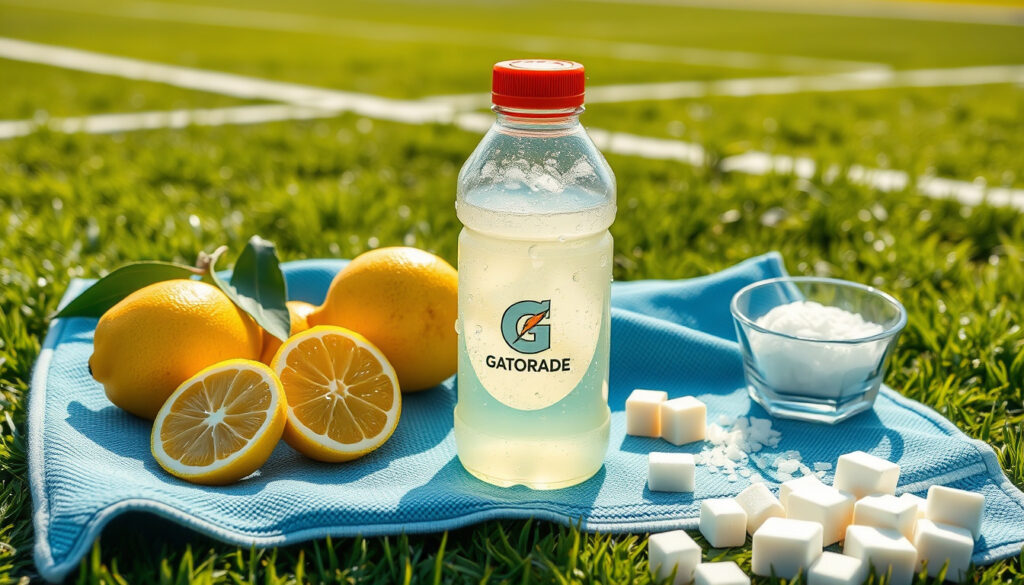
Is Gatorade Good for You? Benefits, Risks Explained
If you’ve ever gulped down a cold Gatorade after a workout, you already know how good it tastes in that moment. But whether it actually does your body good is a different question — and the answer depends heavily on what you’re doing while drinking it. The drink was originally engineered for one specific purpose: helping athletes stay upright during intense exertion in sweltering heat. A half-century later, people crack one open while binge-watching TV, which wasn’t exactly the use case the researchers had in mind. Below, we’ll break down exactly when Gatorade earns its place in your hand and when plain water would serve you better — with the numbers to back it up.
Electrolytes: Sodium and potassium for rehydration · Sugar content: High levels per serving · Calories: Added from sugar · Intended use: Prolonged exercise · Daily recommendation: Not for regular use
Quick snapshot
- Contains electrolytes to replenish losses during sweating (Lose It! nutrition database)
- High sugar content contributes to obesity and tooth decay risks (Healthline health reporting)
- Exact long-term potassium impact on non-athletes
- Specific performance study data comparing Gatorade vs water post-2020
- Gatorade developed in the lab in the 1960s after athletes fell ill in heat (Healthline health reporting)
- Growing Up Today Study II tracked 7,500 youth for 7 years on sports drink-BMI links (2003–2010) (Harvard T.H. Chan School of Public Health Nutrition Source)
- Ongoing research into artificial sweetener safety in sugar-free versions
- Continued public health scrutiny of youth sports drink consumption
Here are the key nutritional specifications for the main Gatorade variants:
| Label | Value |
|---|---|
| Primary use | Sports rehydration |
| Key ingredients | Electrolytes, sugar |
| Health consensus | Good for intense activity, bad daily |
| Top risk | Excess sugar intake |
| Gatorade Thirst Quencher sodium | 380mg per serving |
| Gatorade Thirst Quencher potassium | 110mg per serving |
| Gatorade Endurance sodium | 620mg per serving |
| Gatorade Zero calories | 0 per serving |
| Minimum exercise for benefit | 60–90 minutes |
| Sugar per 20oz Gatorade | 36g |
Is Gatorade good or bad for you? Benefits and risks
Benefits for hydration
The core case for Gatorade rests on electrolytes — specifically sodium and potassium, which the body loses through sweat during prolonged physical activity. When you exercise for longer than 60–90 minutes, particularly in heat, replacing those electrolytes helps maintain fluid balance and supports muscle function. Research from the Gatorade Sports Science Institute notes that increasing fluid intake reduced urinary tract infection episodes by 48% when daily consumption rose from 1.1 to 2.8 liters — though that’s about total hydration, not Gatorade specifically. The American Diabetes Association reports that Gatorade contains 6% carbohydrates, providing quick energy during extended exertion. For marathon runners, cyclists, or anyone doing sustained high-intensity training in warm conditions, the electrolyte-and-carb combo addresses real physiological needs.
The average weekend jogger doesn’t need Gatorade — but a soccer player in a summer tournament or a construction worker hauling materials in August absolutely might. Context determines whether the formula helps or hurts.
The implication: electrolyte replacement is only meaningful when you’ve actually lost those electrolytes through sustained exertion. Drinking Gatorade at rest means you’re loading up on sodium and sugar with no physiological benefit.
Health risks from sugar
Here’s where the math gets uncomfortable for anyone treating Gatorade as a daily beverage. A 20-ounce Gatorade Thirst Quencher delivers 36 grams of sugar — less per ounce than cola, but still a significant sugar load that adds calories without promoting fullness. Harvard T.H. Chan School of Public Health research links frequent sports drink consumption to higher BMI and overweight/obesity, particularly in boys. The Growing Up Today Study II followed approximately 7,500 participants for seven years and found consistent associations. Liquid calories from sugary drinks are less satiating than solid food, meaning people tend to consume more total calories when drinking them. Beyond obesity risks, excess sugar contributes to tooth decay, and the sodium content can increase blood pressure over time in less active individuals whose diets are already sodium-heavy.
Is Gatorade more unhealthy than soda?
Three sources, three different comparisons worth untangling.
Sugar and calorie comparison
Harvard T.H. Chan School of Public Health provides the clearest side-by-side data: a 12-ounce cola contains 39 grams of sugar, while a 12-ounce sports drink contains 21 grams. That’s notably less sugar — roughly half — in the sports drink. However, Harvard Health cautions that many electrolyte drinks contain added sugar, sodium, and artificial flavors that most people would do well to avoid. The American Diabetes Association notes that sugar-free Gatorade substitutes use sucralose or aspartame, with ongoing research questioning long-term safety including potential insulin resistance and cancer risks. So choosing Gatorade over soda isn’t a clear health win — it depends which variant you’re comparing and how much you’re drinking.
Electrolyte differences
This is where Gatorade has a genuine structural advantage over soda: it contains electrolytes that soda simply doesn’t. The sodium in Gatorade (380mg per serving in the standard formula) helps with fluid retention and nerve function during extended sweating. A 12-oz cola has zero electrolytes and provides no hydration benefit beyond the water content. For someone running a half-marathon in 85-degree weather, that electrolyte difference is meaningful. For someone sitting at a desk, it’s irrelevant — and the sugar and sodium become a liability instead.
Gatorade wins on electrolytes; cola wins if you want zero sodium. But neither is a health food, and neither belongs in your daily rotation unless you’re actually exercising intensely.
What this means: the comparison only favors Gatorade when a specific activity creates electrolyte loss. Otherwise, you’re trading one high-sugar beverage for another.
When should you not drink Gatorade?
Daily use risks
Most people genuinely do not need electrolyte drinks unless they’re exercising longer than 60–90 minutes, according to nutritional analysis from Lose It! That means the vast majority of Gatorade consumption — drunk while working at a desk, watching television, or doing light household tasks — delivers sodium and sugar without any corresponding athletic benefit. Harvard Health explicitly states that water is sufficient for hydration in most cases and electrolyte drinks are unnecessary for many people. Research published in PMC found excessive sports drinks linked to overweight, obesity, cardiovascular disease, and diabetes. Sports drinks comprise 26% of sugar-sweetened beverage intake in adolescents — a concerning figure given that most teens aren’t burning enough calories to justify the sugar load. For children especially, experts recommend limiting sports drink intake due to both sugar and artificial colors.
The catch: for the majority of consumers, every Gatorade consumed outside of prolonged exercise adds sugar and sodium with zero compensating benefit.
Non-athlete scenarios
If you’re sick with a mild illness, drinking Gatorade isn’t automatically helpful — it depends on what’s wrong. The sugar content can be problematic if you’re already nauseous or have blood sugar management concerns. Doctors sometimes recommend electrolyte drinks before certain medical procedures where rapid hydration is needed, but that’s a specific clinical context, not general wellness advice. Gatorade was developed to address a specific problem: athletes exercising strenuously in heat losing fluids and electrolytes faster than their bodies could replace them. Using it as a general-purpose beverage ignores that original design intent and exposes consumers to unnecessary sugar and sodium.
Is Gatorade good for you when sick?
Hydration during illness
Proper hydration matters significantly when you’re sick — fluid losses increase with fever, and adequate hydration supports immune function and symptom recovery. Hypohydration is associated with higher risk of kidney stones, UTIs, headaches, and constipation, as documented by the Gatorade Sports Science Institute. The 48% reduction in UTI episodes observed when fluid intake increased demonstrates how powerful hydration alone can be for certain conditions. If you’re ill and struggling to keep fluids down, an electrolyte drink can help replace both fluids and sodium-potassium losses more efficiently than water alone — but this benefit applies specifically when illness has depleted your electrolyte reserves, not as a preventive measure.
Sugar concerns when sick
The sugar content creates complications for specific populations. For someone with diabetes managing blood glucose during illness, the 36 grams of sugar in a 20-ounce Gatorade Thirst Quencher represents a significant carbohydrate load that requires insulin or medication management. The American Diabetes Association notes that Gatorade contains 6% carbohydrates — about 25 grams of sugar per serving — which can spike blood glucose. Sugar-free versions like Gatorade Zero eliminate that problem by using artificial sweeteners, but those come with their own unresolved questions about long-term metabolic effects. For most healthy adults dealing with a cold or flu, a single Gatorade as part of overall fluid intake is fine; making it a staple because “you’re sick” just adds sugar without proportional benefit.
The pattern: electrolyte drinks help when illness causes measurable fluid and electrolyte loss. For routine sick-day hydration, water plus food typically covers the bases.
Why do doctors tell you to drink Gatorade?
Pre-procedure use
Medical professionals sometimes recommend electrolyte drinks before certain procedures — particularly colonoscopies or surgeries requiring bowel preparation — because the sodium and potassium help maintain electrolyte balance while the carbohydrates provide energy. These recommendations aren’t about athletic performance; they’re clinical hydration strategies. Before a procedure requiring fasting, doctors want patients adequately hydrated and electrolytically balanced. Gatorade’s specific formula with sodium (380mg per serving) and potassium (110mg per serving) supports that goal in ways water alone cannot. Patients following pre-procedure protocols should follow their doctor’s specific instructions rather than self-prescribing Gatorade based on this general principle.
Electrolyte replenishment
Outside of medical procedures, doctors may recommend Gatorade for patients who have experienced significant fluid and electrolyte loss — severe vomiting, diarrhea, or heat exhaustion. In these clinical contexts, the electrolyte replacement function addresses a real deficit. A construction worker who collapsed from heat exposure needs rapid sodium-potassium replacement that water cannot provide. But this medical use case is fundamentally different from the marketing-driven image of Gatorade as an everyday “hydration” beverage. UC Berkeley researchers put it bluntly: the sugar in sports drinks may be contributing to the child obesity epidemic by increasing caloric intake.
Doctors recommend Gatorade when patients have measurable electrolyte deficits from illness, heat exposure, or medical preparation — not as general hydration advice. That clinical context is much narrower than how most people use the product.
What this means: the medical justification for Gatorade hinges on actual electrolyte loss. Without that loss, the sodium and sugar become a burden rather than a benefit.
Comparison: Gatorade vs soda
Three products, three very different situations. The comparison table below summarizes the key nutritional differences:
| Metric | Gatorade Thirst Quencher | Gatorade Zero | Cola (12oz) |
|---|---|---|---|
| Sugar (per serving) | 36g (20oz) | 0g | 39g |
| Calories | 190 | 0 | 140 |
| Sodium | 380mg | 380mg | 45mg |
| Potassium | 110mg | 110mg | 0mg |
| Electrolytes | Yes | Yes | No |
| Artificial sweeteners | No | Yes | No |
The implication: Gatorade Thirst Quencher beats cola on electrolytes but loses on sugar volume. Gatorade Zero eliminates sugar but swaps it for sweeteners with unresolved long-term safety questions. None of these is a daily health drink.
Gatorade: Pros and cons
Upsides
- Electrolyte replacement during exercise over 60–90 minutes
- Quick carbohydrates for sustained endurance activity
- Superior to water for prolonged vigorous exercise in heat
- Sugar-free versions eliminate sugar concerns
- Useful for medical pre-procedure hydration
- Higher potassium than most alternatives
Downsides
- High sugar adds calories without promoting fullness
- Unnecessary sodium for non-athletes
- Associated with higher BMI in adolescents
- Linked to obesity, CVD, diabetes with excessive consumption
- Artificial sweeteners in Zero versions raise long-term safety questions
- Not recommended for daily use by health experts
What experts say
The sugar in sports drinks may be contributing to the child obesity epidemic by increasing caloric intake.
— UC Berkeley researchers, via Healthline
Water is sufficient for hydration in most cases; electrolyte drinks unnecessary for many people.
— Harvard Health (Harvard Medical School’s educational arm)
Many electrolyte drinks contain added sugar, sodium, artificial flavors you may want to avoid.
— Harvard Health editorial team
Liquid calories are easier to consume more quickly, and they don’t send the same fullness signals to the body.
— Massachusetts General Hospital nutrition specialists
SugarScience UCSF adds an important nuance: about half of studies show sports drinks make no difference in athletic performance for the average exerciser. The electrolyte benefit is real for extended endurance activities, but for shorter workouts or casual exercise, the performance edge disappears while the sugar and sodium costs remain.
Related reading: how many cups in a gallon · 1 quart to cups
gssiweb.org, healthyeatingresearch.org, health.harvard.edu, diabetes.org, pmc.ncbi.nlm.nih.gov, 2adays.com
While Gatorade delivers quick electrolytes for intense workouts, coconut water benefits offer a natural low-sugar option suitable for daily hydration needs.
Frequently asked questions
Is Gatorade Zero good for you?
Gatorade Zero eliminates the sugar that makes the standard formula problematic for daily use, but it replaces that sugar with artificial sweeteners like sucralose and aspartame. Research on long-term artificial sweetener safety remains ongoing, with some studies questioning potential links to insulin resistance and other metabolic effects. For athletes who need electrolytes without calories during competition, Gatorade Zero serves a legitimate purpose. For casual consumers looking to avoid sugar, consider whether you need the electrolytes at all — water plus whole foods with potassium may serve you better.
Is Gatorade good for kids?
Most children do not exercise long enough to justify sports drink electrolyte replacement. Health experts recommend limiting children’s sports drink intake due to sugar and artificial colors. Sports drinks comprise 26% of sugar-sweetened beverage intake in adolescents, and frequent consumption is associated with higher BMI. If your child plays sports for extended periods in hot conditions, a single serving during or after activity may be appropriate — but making it a regular treat undermines the health message.
Is Gatorade good for you while pregnant?
Pregnant women have elevated hydration needs, but Gatorade’s sugar and sodium content require consideration in this context. The American Diabetes Association notes Gatorade’s 6% carbohydrate content affects blood glucose, which matters for gestational diabetes management. Plain water typically suffices for most pregnant women’s hydration needs. If a pregnant woman is experiencing significant fluid loss from illness or heat, medical guidance should determine whether an electrolyte drink is appropriate — and which variant.
Is Gatorade good for your heart?
For healthy athletes during exercise, Gatorade supports cardiovascular function by maintaining electrolyte balance. However, excessive sodium intake over time can increase blood pressure risk, which affects heart health. Research links two or more sugar-sweetened soft drinks daily to albuminuria, a marker of chronic kidney disease that affects cardiovascular risk. For people with existing hypertension or heart conditions, the sodium content warrants consultation with a healthcare provider. For the general population drinking Gatorade casually, the sodium-sugar combination doesn’t benefit heart health.
What are side effects of drinking Gatorade everyday?
Daily Gatorade consumption outside of prolonged athletic activity can contribute to weight gain from liquid calories, increased risk of tooth decay, elevated blood pressure from sodium, and higher risk of metabolic conditions including type 2 diabetes and cardiovascular disease. The sugar in Gatorade is less satiating than solid food, meaning people tend to consume more total calories. Excess sodium can be particularly problematic for individuals already eating high-sodium diets. Harvard research links excessive sports drinks to overweight, obesity, CVD, and diabetes.
Can Gatorade elevate potassium levels?
Gatorade contains potassium (110mg per serving in the standard formula), which raises levels, though typically not to dangerous heights in healthy individuals with normal kidney function. The main concern would be for people with kidney disease or those taking medications that affect potassium excretion, such as certain blood pressure drugs. For healthy people, the potassium in Gatorade during exercise supports muscle function. Exact long-term potassium impact on non-athletes remains an area where more specific research would clarify optimal usage patterns.
Why are athletes avoiding Gatorade?
Some elite athletes have moved away from traditional sugary sports drinks for several reasons: concerns about sugar content affecting dental health, preferences for cleaner ingredient profiles, and questions about whether the carbohydrate-electrolyte formula matches their specific sport’s demands. SugarScience UCSF notes that about half of studies show sports drinks make no difference in athletic performance, which has led some athletes to question whether the benefits justify the costs. Additionally, sports drink sponsorship relationships have become more complex as athlete empowerment and brand independence have grown. This doesn’t mean Gatorade doesn’t work — it means some athletes find alternatives better suited to their specific needs.
More related posts
 Pistons vs Lakers player stats: March 23, 2026
 Happy New Year 2026 GIFs: Free Downloads & WhatsApp Guide
 Graco Pack N Play – Specs Safety Weight Limits Best Models 2025
 Man United vs West Ham: Kickoff, How to Watch & Team News
 FC Barcelona vs Como 1907 Lineups: Yamal Penalty and Injury
 Iowa Hawkeyes Women’s Basketball Schedule 2025-26: TV, Tickets
 Benefits of Creatine for Women: A Complete Guide to Safe Use
 Sports News Updates 2025: Biggest Stories & Events
