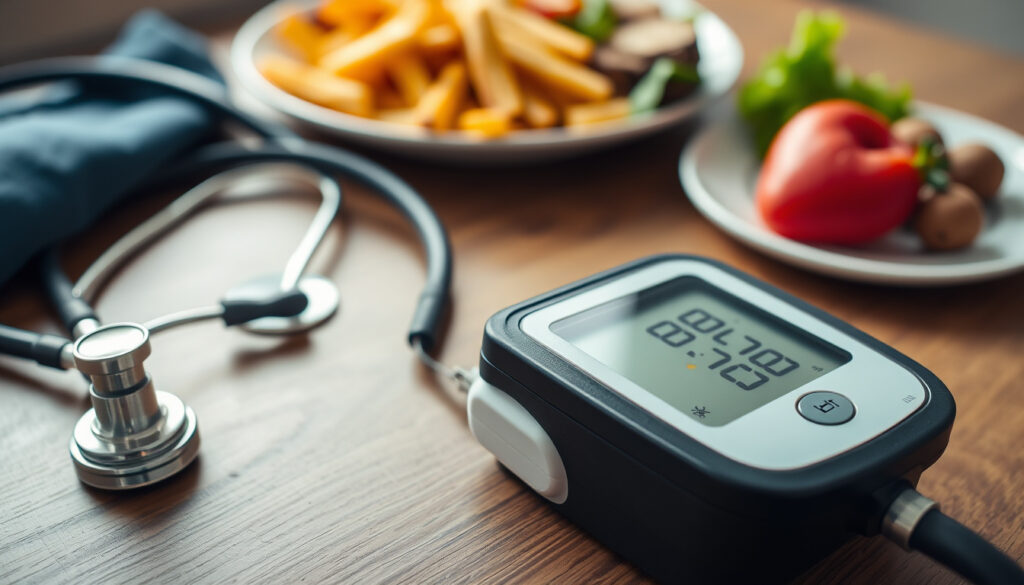
Causes of High Blood Pressure: Symptoms, Risks, How to Reduce
You probably know someone who takes medication for it, or maybe you check your own numbers at the pharmacy. High blood pressure, or hypertension, affects roughly 1.28 billion adults worldwide, yet most people have no idea they have it until a reading surprises them. This guide pulls together the latest clinical evidence to explain what causes high blood pressure, how to spot warning signs, and what you can actually do about it.
Adults with high blood pressure globally: 1.28 billion ·
Percentage of adults affected: 31% ·
Normal blood pressure reading: Less than 120/80 mmHg ·
Annual deaths due to hypertension: 7.5 million
Quick snapshot
- Genetic and lifestyle factors (Mayo Clinic)
- Underlying conditions (kidney disease, diabetes) (CDC)
- Age, smoking, inactivity (American Heart Association)
- Often no symptoms (Mayo Clinic)
- Severe headache, chest pain, vision changes (World Health Organization)
- Nosebleeds, fatigue, irregular heartbeat (Cleveland Clinic)
- Diet (DASH, reduce salt) (NHLBI, NIH)
- Exercise and weight control (CDC)
- Medication, stress reduction, home monitoring (Cleveland Clinic)
- Heart attack, stroke (World Health Organization)
- Heart failure, kidney disease (NHLBI, NIH)
- Vision loss, aneurysm (Cleveland Clinic)
Five key facts that define the landscape of high blood pressure, from normal thresholds to global mortality.
| Label | Value |
|---|---|
| Normal blood pressure | <120/80 mmHg |
| Global prevalence | 1.28 billion adults |
| Percentage of adults affected | 31% |
| Major modifiable risk factor | High salt intake |
| Uncontrolled hypertension leads to | 7.5 million deaths/year |
What are the main causes of high blood pressure?
Primary hypertension, the most common type, has no single identifiable cause. Instead, it develops from a combination of factors that build up over time. Genetics, age, lifestyle, and underlying health conditions all play a role. The American Heart Association (AHA) (cardiovascular health authority) notes that age is a major risk factor, with risk rising as people get older. Family history also increases likelihood, according to Mayo Clinic (medical research institution).
- High salt intake – The NHLBI (National Heart, Lung, and Blood Institute) identifies unhealthy diet patterns, especially high sodium and low potassium, as a key driver.
- Physical inactivity – The CDC (U.S. public health agency) states that lack of exercise increases risk.
- Obesity or overweight – Same CDC source confirms excess weight raises blood pressure risk.
- Smoking and tobacco use – Mayo Clinic reports that smoking can immediately raise blood pressure for a short time.
- Excessive alcohol – Too much alcohol is linked to increased blood pressure, per Mayo Clinic.
- Underlying conditions – Chronic kidney disease, diabetes, and sleep apnea contribute to hypertension, as noted by the CDC.
What causes high blood pressure in young adults?
While hypertension is more common in older adults, young adults can develop it too. The AHA points out that Black adults in the United States tend to develop high blood pressure earlier than white adults. Sedentary lifestyles, poor diet, and stress are major contributors in younger populations. Mayo Clinic adds that family history can amplify risk even in young people.
What causes high blood pressure in women?
Hormonal factors, pregnancy, and menopause can influence blood pressure in women. The CDC notes that pregnancy can cause high blood pressure (gestational hypertension), which may persist after delivery. Oral contraceptives and hormone therapy can also raise readings. The AHA recommends that women monitor their blood pressure regularly, especially during pregnancy and menopause.
What can cause a sudden increase in blood pressure?
Sudden spikes can be triggered by acute stress, pain, caffeine, or certain medications. Mayo Clinic lists high stress as a temporary cause. Use of nasal decongestants, nonsteroidal anti-inflammatory drugs (NSAIDs), and illicit drugs like cocaine can also cause abrupt rises. The World Health Organization (WHO) (global health authority) warns that extremely high readings can lead to hypertensive crisis, requiring immediate medical attention.
A 35-year-old with a family history of hypertension and a high-sodium diet faces a very different risk profile than someone with no family history and a balanced diet. The data-backed reason: the NHLBI confirms that each additional risk factor compounds the chance of developing high blood pressure.
What are the top symptoms of high blood pressure?
Most people with high blood pressure have no symptoms, even when readings are dangerously high. Mayo Clinic (medical research institution) calls it a “silent killer” because it can exist for years without warning. However, when blood pressure reaches extreme levels, symptoms can appear. The WHO (global health authority) lists severe headache, shortness of breath, nosebleeds, chest pain, and blurred vision as possible signs. Cleveland Clinic (medical center) adds dizziness, confusion, seizures, and stroke-like symptoms.
- Severe headache
- Chest pain
- Vision problems
- Fatigue or confusion
- Nosebleeds
- Irregular heartbeat
- Blood in urine
- Buzzing in ears
What is considered a good blood pressure reading?
Blood pressure is measured in millimeters of mercury (mmHg) and recorded as two numbers: systolic (pressure during heartbeats) over diastolic (pressure between beats). The AHA (cardiovascular health authority) defines the following ranges:
What are the blood pressure ranges?
Five categories, from normal to crisis, based on the latest AHA/ACC guidelines.
| Category | Systolic (mmHg) | Diastolic (mmHg) |
|---|---|---|
| Normal | Less than 120 | Less than 80 |
| Elevated | 120–129 | Less than 80 |
| Stage 1 hypertension | 130–139 | 80–89 |
| Stage 2 hypertension | 140 or higher | 90 or higher |
| Hypertensive crisis | Higher than 180 | Higher than 120 |
The WHO emphasizes that readings above 180/120 require immediate medical attention. Mayo Clinic advises that even a single elevated reading warrants monitoring.
How to reduce high blood pressure?
Lifestyle changes are the first line of defense. The NHLBI (National Heart, Lung, and Blood Institute) recommends the DASH (Dietary Approaches to Stop Hypertension) diet, which emphasizes fruits, vegetables, whole grains, and low-fat dairy while reducing sodium. The CDC adds regular physical activity (at least 150 minutes per week of moderate exercise) and weight loss if overweight.
10 ways to manage high blood pressure without medicine
- Follow the DASH diet (NHLBI)
- Reduce sodium intake to less than 2,300 mg per day (AHA)
- Get at least 150 minutes of moderate aerobic exercise per week (CDC)
- Lose weight if overweight or obese (CDC)
- Limit alcohol to no more than 1 drink per day for women, 2 for men (Mayo Clinic)
- Quit smoking (Mayo Clinic)
- Manage stress through meditation, deep breathing, or therapy (Mayo Clinic)
- Take prescribed medications as directed (Cleveland Clinic)
- Monitor blood pressure at home regularly (AHA)
- Maintain good sleep habits (aim for 7–9 hours) (CDC)
What drink reduces blood pressure?
Some studies suggest that pomegranate juice, beetroot juice, and hibiscus tea may have modest blood pressure-lowering effects. The AHA notes that these drinks are not replacements for medication but can be part of an overall healthy diet. Water is always the best choice for hydration.
What foods lower blood pressure naturally?
The DASH diet emphasizes foods rich in potassium, magnesium, and fiber. Examples include leafy greens, berries, bananas, beets, oats, and fatty fish like salmon. The NHLBI provides a full DASH eating plan.
How to quickly bring down blood pressure?
If your blood pressure spikes and you feel symptoms, sit down, breathe deeply, and call a doctor immediately. Mayo Clinic warns that quick fixes like cold water or exercise can make things worse during a hypertensive crisis. Only medications prescribed for acute situations should be used for rapid lowering.
For someone with stage 1 hypertension, a 10 mmHg reduction in systolic pressure can cut the risk of stroke by about 40% and heart disease by 30%, according to the WHO.
What are the effects of high blood pressure?
Chronic hypertension damages blood vessels and organs over time. The WHO (global health authority) states that hypertension is a leading cause of cardiovascular disease, responsible for at least 7.5 million deaths each year. The AHA lists heart attack, stroke, heart failure, kidney disease, and vision loss as major complications.
What are the four signs your heart is quietly failing?
Heart failure often develops gradually. The Cleveland Clinic (medical center) identifies these warning signs:
- Shortness of breath – especially during activity or when lying flat
- Fatigue and weakness – reduced ability to exercise
- Swelling in legs, ankles, or feet – due to fluid retention
- Rapid or irregular heartbeat – heart muscle strain
Other complications include aneurysm (bulging of artery walls), cognitive decline, and dementia, as noted by the AHA.
“Hypertension is a silent killer — most people have no symptoms, even when readings are dangerously high.”
Cleveland Clinic (medical center)
“Making lifestyle changes — like eating a healthy diet, staying active, and cutting down on salt — can significantly reduce your risk of developing high blood pressure.”
What we know and what remains unclear
Confirmed facts
- High salt intake raises blood pressure (NHLBI)
- Regular exercise lowers blood pressure (CDC)
- Hypertension is a major risk factor for cardiovascular disease (WHO)
- Genetics contribute to hypertension risk (Mayo Clinic)
What’s unclear
- Exact mechanism of stress-induced sustained hypertension
- Why some people with salt-sensitive hypertension develop resistance to treatment
The evidence is strong for the major causes and management strategies, but the precise biochemical pathways linking stress to chronic hypertension remain under investigation. The AHA continues to fund research into these gaps.
healthline.com, healthcare.utah.edu, ncbi.nlm.nih.gov, goodrx.com, msdmanuals.com
Frequently asked questions
Can stress cause high blood pressure?
Yes, acute stress can temporarily raise blood pressure. The Mayo Clinic notes that chronic stress may contribute to sustained hypertension through unhealthy coping behaviors (overeating, smoking, alcohol use).
Is high blood pressure hereditary?
Yes, family history is a strong risk factor. The Mayo Clinic states that high blood pressure tends to run in families.
Should I monitor my blood pressure at home?
The AHA recommends home monitoring for anyone with diagnosed hypertension or risk factors. It helps track treatment effectiveness and detect white-coat hypertension.
What is the DASH diet?
The DASH (Dietary Approaches to Stop Hypertension) diet emphasizes fruits, vegetables, whole grains, lean proteins, and low-fat dairy while limiting sodium, saturated fat, and added sugars. The NHLBI provides the full plan.
Can high blood pressure be cured?
There is no cure, but it can be managed effectively with lifestyle changes and medication. The CDC notes that many people achieve normal readings through treatment.
How often should I check my blood pressure?
The AHA advises adults with normal readings to check at least once every two years. Those with elevated readings or hypertension should check more frequently as advised by their doctor.
What medications are used to treat high blood pressure?
Common classes include diuretics, ACE inhibitors, angiotensin II receptor blockers (ARBs), calcium channel blockers, and beta-blockers. The Cleveland Clinic explains that choice depends on the individual’s health profile and side effects.
For more on understanding your numbers, read our guide on Normal Blood Pressure Range. If you suspect sleep apnea may be contributing to your hypertension, check our article on Signs of Sleep Apnea.
For the millions of adults living with hypertension, the choice is clear: adopt evidence-based lifestyle changes, monitor regularly, and follow medical advice — or face the consequences of a silent killer that damages the heart, brain, and kidneys over time. The World Health Organization puts it plainly: controlling hypertension is one of the most effective ways to reduce premature death from cardiovascular disease.
More related posts
 Lilo & Stitch 2025: Streaming, LGBTQ & Release Guide
 MCH Blood Test High: Causes, Meaning & When to Worry
 Pakistan vs Bangladesh cricket timeline: history & 2025 tour
 Iowa Hawkeyes Women’s Basketball Schedule 2025-26: TV, Tickets
 $800 Stimulus Check Eligibility Criteria in April
 What Is Hydroxyzine Used For? Uses, Dosage & Side Effects
 Fufu and Egusi Near Me: Ireland Delivery & Restaurants
 Why Is My Phone Not Charging? Fix It in 7 Steps
