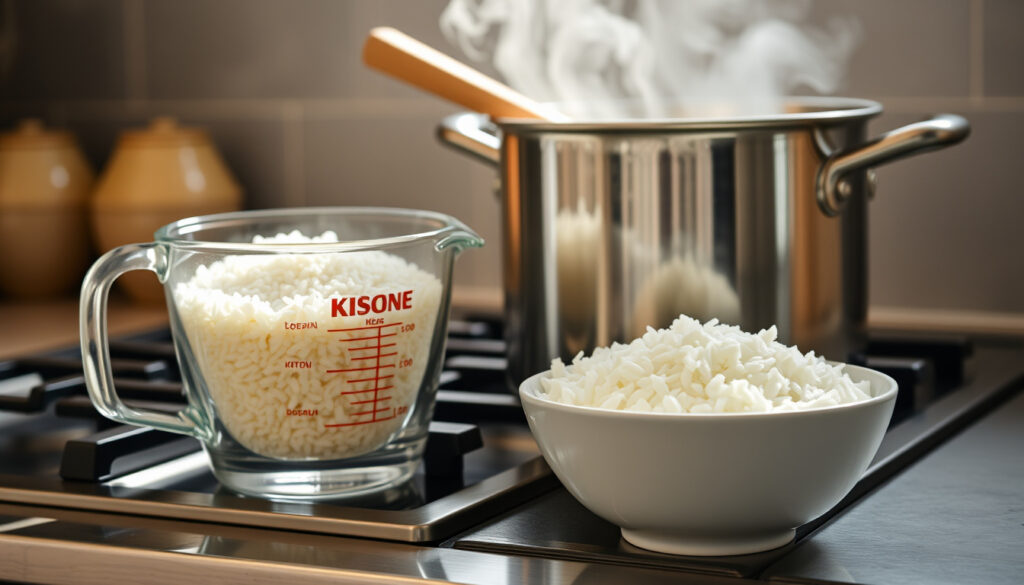
How to Cook Rice: Perfect Stovetop Steps, Ratios, Health Tips
Few kitchen tasks seem as simple—or trip up as many people—as cooking a pot of rice, and whether it’s too sticky, too crunchy, or just not fluffy, the perfect pot can feel elusive. But getting it right is also the gateway to making rice work for your health goals, whether you’re managing blood sugar or looking after your heart.
Typical water-to-rice ratio for white rice: 1.5 cups water per 1 cup rice (RecipeTin Eats) · Cooking time for white rice on stovetop: 18-20 minutes · Global rice consumption per year: Over 500 million metric tons (FAO)
Quick snapshot
- Water ratio differs by rice variety (Purdue Extension)
- Brown rice has more fiber and lower glycemic index than white rice (USDA FoodData Central)
- Rinsing rice removes surface starch and prevents clumping (Love and Lemons)
- Exact optimal water ratio can vary by altitude and pot tightness (Love and Lemons)
- Whether rice is directly linked to heart disease remains debated (Love and Lemons)
- White rice: ~18–20 min simmer, 10 min rest (RecipeTin Eats)
- Brown rice: ~30–40 min simmer (BBC GoodFood) (RecipeTin Eats)
- Try cooking, cooling, and reheating rice to boost resistant starch (Harvard Health Publishing)
- Pair rice with protein and vegetables for balanced meals (American Diabetes Association)
The following table highlights the key nutritional and cooking differences between white and brown rice.
| Fact | Value |
|---|---|
| Water ratio for white rice | 1.5 cups per 1 cup rice (RecipeTin Eats) |
| White rice cooking time | 18–20 minutes on covered low simmer |
| Brown rice water ratio | 2 cups per 1 cup rice (BBC GoodFood) |
| Brown rice cooking time | 30–40 minutes |
| Glycemic index of brown rice | 50 (low to medium) (Harvard Health Publishing) |
| Fiber in 1 cup cooked brown rice | 3.5 g (USDA FoodData Central) |
| Fiber in 1 cup cooked white rice | 0.4 g (USDA FoodData Central) |
What are the steps to cook rice?
-
Choose and measure your rice
- Select the variety (white, brown, basmati, jasmine) based on your recipe and health needs.
- Measure rice using a dry measuring cup. One cup raw yields about 3 cups cooked.
-
Rinse (or don’t)
Rinsing under cold water until it runs clear removes surface starch that causes gummy rice. Love and Lemons recommends this for most white rice. But RecipeTin Eats notes that for some stovetop methods, skipping the rinse can help keep the ratio consistent. The trade-off: rinse for fluffier grains; skip for a slightly stickier texture.
-
Measure water and cook
For white rice, use 1.5 cups water per cup rice. For brown rice, 2 cups water per cup rice. Combine in a pot with a tight-fitting lid. Bring to a boil, then reduce heat to low, cover, and simmer without lifting the lid.
- White rice: simmer 18–20 minutes.
- Brown rice: simmer 30–40 minutes.
-
Rest and fluff
After cooking, remove from heat and let the pot sit covered for 10 minutes. This allows moisture to redistribute. Then fluff with a fork.
The implication: mastering these four pillars ensures consistent results across any rice variety.
What is the correct water to rice ratio?
Ratios vary by grain type. Four common varieties, one key pattern: the less processed the rice, the more water it needs.
The table below breaks down the recommended water ratios for common rice varieties.
| Rice type | Water per 1 cup rice | Source |
|---|---|---|
| White long-grain | 1.5 cups | RecipeTin Eats |
| White medium/short-grain | 1.5 cups | Purdue Extension |
| Brown rice | 2–2.5 cups | Purdue Extension |
| Basmati | 1.5 cups (some use 1.25) | Laura Fuentes |
| Jasmine | 1.5 cups | Laura Fuentes |
The catch: altitude and pot tightness can shift the ideal ratio by an extra tablespoon or two. If your rice comes out dry, add 1–2 tablespoons water next time. If mushy, reduce by the same amount.
Ratio for white rice
Ratio for brown rice
Ratio for jasmine rice
Ratio for basmati rice
General rule of thumb
For most white rice, 1:1.5 (rice to water) is safe. For brown rice, 1:2. Use the “knuckle rule”: water level should reach the first knuckle of your index finger when the tip touches the rice surface. That approximates 1:1.5 for most pot sizes. For more on volume conversions, see our guide on How Many Cups in a Gallon.
How to cook rice without a rice cooker?
Stovetop method
The classic: rinse, add water, bring to boil, simmer covered, rest. As described above, this works for all rice varieties. While you’re here, learn how to make a Chicago Style Hot Dog.
Oven method
- Combine rinsed rice and boiling water (same ratio) in an oven-safe dish.
- Cover tightly with foil or a lid. Bake at 375°F (190°C) for 25 minutes (white) or 45–50 minutes (brown).
- Rest 10 minutes before fluffing.
Microwave method
- Place rice and water in a microwave-safe bowl (ratio 1:2 for most white rice).
- Microwave uncovered on high for 5 minutes, then reduce to 50% power and cook 15 minutes.
- Let stand 5 minutes. Fluff.
Instant Pot method
- Use ratio 1:1 (white) or 1:1.25 (brown). Pressure cook on high: 3 minutes for white, 22 minutes for brown.
- Natural release 10 minutes, then quick release.
Each method produces slightly different texture. Stovetop gives you the most control; oven is hands-off and even; microwave is fastest.
How to prepare rice for diabetes?
Choose whole grain varieties
The American Heart Association identifies brown rice as a whole grain, while white rice is a refined grain. Swapping refined for whole grains is associated with better cardiovascular health.
Control portion sizes
The American Diabetes Association recommends using the plate method: half non-starchy vegetables, a quarter lean protein, and a quarter carbohydrate foods like rice. For most people, that means about ½ cup cooked rice per meal.
- ½ cup cooked white rice: ~15 g carbs
- ½ cup cooked brown rice: ~12 g carbs plus 1 g fiber
Cook, cool, reheat to form resistant starch
“Cooking rice, cooling it, and reheating it increased resistant starch and lowered the post-meal blood glucose response in participants.”
This is a practical strategy: cook extra rice, let it cool in the fridge overnight, then reheat. The process converts some digestible starch into resistant starch, which the body processes more slowly.
Pair with protein and fiber
The ADA emphasizes that pairing carbohydrates with non-starchy vegetables, protein, and healthy fats slows glucose absorption. So serve rice with chicken, beans, or broccoli, not alone.
Which rice is best for heart patients?
Brown rice vs. white rice for heart health
The American Heart Association advises choosing whole grains more often. Brown rice retains the bran and germ, providing magnesium, potassium, and fiber—all nutrients linked to lower blood pressure and reduced cardiovascular risk. White rice, being refined, has fewer of these protective compounds.
Whole grains versus refined grains
- Whole grains (brown rice, black rice, red rice) are associated with lower risk of heart disease, type 2 diabetes, and certain cancers.
- Refined grains (white rice) lack fiber and micronutrients. Large portions may increase cardiovascular risk over time.
Specific varieties for heart disease
Black rice (forbidden rice) is rich in anthocyanins, the same antioxidants found in blueberries. Parboiled rice retains more nutrients than white rice but less than brown. The Dietary Guidelines for Americans recommend making half of all grains whole—so brown, black, or red rice fits the goal.
A heart patient who swaps white rice for brown or black rice gains more fiber and antioxidants without dramatically altering their cooking routine. The trade-off: longer simmer time, but the health dividend accumulates with every serving.
The pattern: choosing whole grain rice varieties can significantly improve the nutritional profile of a meal with minimal adjustment to cooking technique.
Should diabetics avoid rice completely?
Why rice can be included in a diabetic diet
Complete avoidance is not necessary for most diabetics, according to the ADA’s nutritional guidance. The key is portion control and preparation method.
Importance of portion size and frequency
Stick to ½ cup cooked rice per meal. If you eat rice daily, choose whole grain varieties and use the cooling/reheating trick to reduce glycemic impact.
Best rice types for lower glycemic index
- Basmati rice: lower GI than standard white rice (GI ~58 vs ~73).
- Parboiled rice: GI ~50.
- Brown rice: GI ~50.
Strategies to reduce glycemic impact
- Cook, cool, reheat (increase resistant starch).
- Add vinegar or lemon juice to rice after cooking; acidity can modestly lower blood sugar response.
- Never eat rice alone—pair with protein, fat, and fiber.
“1 cup rice to 1.5 cups water is the perfect ratio for white rice.”
— Nagi from RecipeTin Eats (cookbook author and recipe developer)
“500ml of water for brown rice and cook for 30 mins.”
— BBC GoodFood (UK’s leading food media outlet)
The pattern: whether you’re managing diabetes, heart health, or just tired of mushy rice, the fundamentals are the same. Start with the right ratio, control portions, and let one or two smart adaptations turn a simple grain into a tool for better metabolic health.
Frequently asked questions
How long does cooked rice keep in the fridge?
Cooked rice can be refrigerated in a sealed container for 3–5 days. Reheat until steaming hot, and never leave rice at room temperature for more than 2 hours.
Can I freeze cooked rice?
Yes. Portion cooled rice into freezer bags, flatten, and freeze for up to 3 months. Reheat directly from frozen in a microwave or pan with a splash of water.
How to fix undercooked rice?
Add 2–3 tablespoons of water per cup of rice, cover, and cook on low heat for 5 more minutes. Let rest 5 minutes before checking.
Is it necessary to rinse rice before cooking?
Rinsing removes surface starch and prevents clumping, but some recipes intentionally skip it for a stickier texture. For most stovetop methods, a quick rinse is recommended.
Can you reuse rice water for anything?
Yes, rice water can be used as a nutrient-rich plant fertilizer, a skin rinse, or in some recipes to thicken soups.
What is the best rice for fried rice?
Day-old, cold white rice works best because the grains are dried out and won’t clump. Jasmine or long-grain white rice are popular choices.
Does adding oil to rice make it healthier?
Adding a small amount of oil (like coconut or olive) can reduce stickiness, but it does not significantly alter the glycemic index. The health benefit comes from the type of oil and the overall meal composition.
Can I cook rice and quinoa together?
Yes. Use a ratio of 1:1 rice and quinoa, with 2 cups water per 1 cup of the mix. Simmer 20 minutes and rest 5 minutes.
For anyone cooking rice at home, the choice isn’t white versus brown—it’s technique. The same stovetop method that delivers perfectly fluffy grains also gives you the control to adapt for blood sugar or heart health. Whether you’re a busy parent, a person with diabetes, or someone simply tired of burnt pots, the path forward is the same: measure accurately, simmer patiently, and let cooling and pairing do the rest.
More related posts
 How to Record Your Screen on iPhone, Android & Windows
 Tyler Perry Movies and TV Shows – Full List, Madea, Netflix Guide
 Best True Crime Documentaries – Top Picks Ranked by Critics
 Is Elon Musk a US Citizen – Timeline, Facts & Eligibility
 Amyl and the Sniffers: Cancellation, Name, Tour & Amy Taylor
 Full ZIP Code Lookup: How to Find Your 9-Digit ZIP+4 Code
 Who Is the Tallest Person in the World? Current Records
